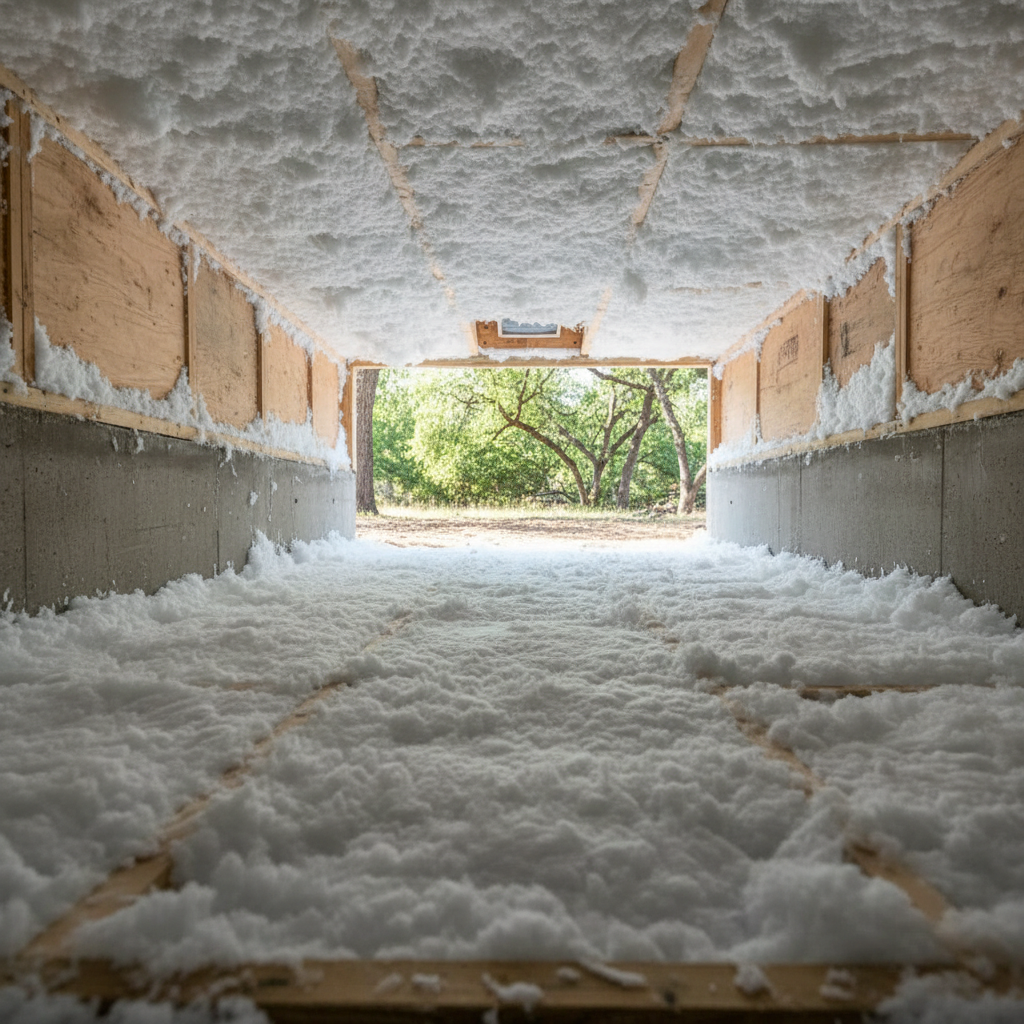
Alright, let's talk insulation removal. You're probably thinking about it because you've got old, maybe damaged, or just plain ineffective insulation up in your attic or walls. Maybe you've seen some critters, or you're upgrading to something better like spray foam. Whatever the reason, you're wondering if this is a job you can handle yourself or if you need to call in the cavalry. I've seen a lot of attics in Dallas, and I can tell you, it's not always as simple as it looks.
Why Are You Removing Insulation?
Before you even think about pulling on a mask, you need to ask yourself why you're doing this. The reason makes a huge difference in how you approach the job. If you're just swapping out old, ineffective fiberglass batts for new ones, that's one thing. If you're dealing with insulation that's been contaminated by rodents, mold, or water damage, that's a whole different ballgame. Contaminated insulation isn't just dirty; it can be a health hazard. You don't want to be breathing in mold spores or hantavirus particles from rodent droppings. Seriously, that's not a DIY project.
What You CAN Do Yourself (Maybe)
If your insulation is relatively clean, just old, and not compacted or moldy, you might be able to handle some of it. We're talking about loose-fill cellulose or fiberglass that's just settled over time. Here's what you'll need, and don't skimp on safety gear:
- Heavy-duty respirator: Not just a dust mask. Get one with P100 filters. Trust me, you'll thank me later.
- Tyvek suit: You don't want insulation fibers all over your skin or clothes.
- Gloves and eye protection: Fiberglass is itchy, and dust gets everywhere.
- Thick garbage bags: Contractor bags are best; they won't tear easily.
- Good lighting: Attics are dark, even in the middle of a bright Dallas day.
- A sturdy ladder and plywood sheets: You'll need to move around safely in the attic without falling through the ceiling.
The process itself is pretty straightforward: bag it up, haul it out. But it's incredibly dusty, hot, and physically demanding. In a Dallas summer, your attic can hit 140 degrees easily. Even in spring or fall, it's no picnic. You'll be sweating buckets, and that's when you start making mistakes, like not sealing your bags properly or tracking dust through your house.
When to ABSOLUTELY Call a Professional
This is where I tell you, honestly, most of the time, insulation removal is a job for the pros. Especially if any of these apply:
- Mold or mildew: If you see black, green, or fuzzy stuff, that's mold. It needs to be handled by someone who knows how to contain it and prevent cross-contamination. You don't want to spread mold spores throughout your HVAC system.
- Pest infestations: Rodent droppings, nests, insect carcasses – these all mean biohazards. Professionals have specialized equipment and disposal methods to deal with this safely.
- Water damage: If your insulation is soaked or has been wet for a while, it's likely compromised and could be harboring mold.
- Asbestos: This is less common in newer Dallas homes, but if your house was built before the 1980s, there's a chance. Don't touch it. Get it tested, and if it's positive, call an abatement specialist.
- Loose-fill insulation with a lot of debris: If your attic is a mix of old insulation, construction debris, and who-knows-what, it's much easier for us to vacuum it out.
- You're just not up for it: It's a nasty, dirty job. There's no shame in admitting you'd rather not spend a weekend suffocating in your attic.
Professional insulation removal isn't just about bagging it up. We use specialized, powerful vacuum systems that suck the old insulation directly into a large bag or container outside your home. This minimizes dust and contaminants inside your living space. We've got the right safety gear, the experience, and the muscle to get it done efficiently and safely. Plus, we know how to dispose of it properly.
After the Removal: What's Next?
Once the old stuff is gone, you've got a clean slate. This is a great time to inspect your attic for any air leaks, structural issues, or electrical problems. Seal up those leaks! It's amazing how much air can escape through tiny gaps around vent pipes, light fixtures, and ceiling penetrations. This is especially important in Dallas, where our crazy temperature swings can make your AC or heater work overtime if your attic isn't sealed up right. Think about those hot West Dallas afternoons – every little crack matters.
After sealing, you're ready for new insulation. This is where you really make a difference in your home's energy efficiency and comfort. If you're considering spray foam, like what we do at Efficiency Spray Foam Insulation Dallas, getting that attic completely clear is the first step. A clean attic allows for a much better, more uniform application, ensuring you get the full benefits of that air seal and thermal barrier.
So, can you remove insulation yourself? Maybe a little bit, under ideal conditions. But for most situations, especially anything involving contaminants or significant volume, calling a professional isn't just a convenience; it's a smart, safe investment in your home and your health. Don't mess around with dirty, dusty, potentially hazardous insulation. Get it done right the first time.