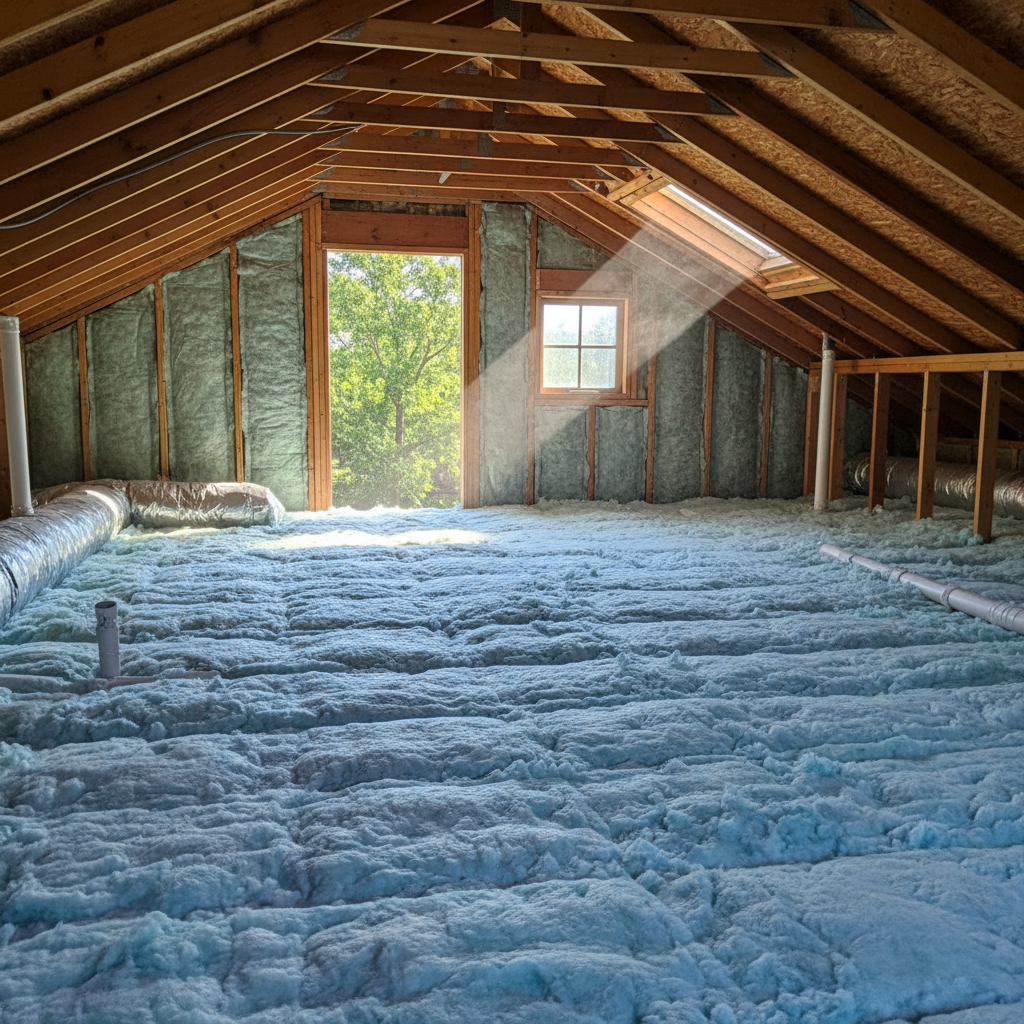
Getting Your Attic Insulation Right in Dallas: Timing is Key
Look, if you live in Dallas, you know our weather isn't exactly predictable. We go from scorching summers to surprisingly chilly winters, and sometimes we get all four seasons in a week. That's why your attic insulation isn't just a nice-to-have; it's a must-have for keeping your energy bills down and your home comfortable. But when's the best time to tackle that project?
Most folks think about insulation when they're sweating through August or shivering in January. And yeah, that's when you really feel the problem. But it's not always the best time to get the work done. Here's my take, based on years of working on homes right here in North Texas.
When to Schedule Your Attic Insulation Upgrade
Honestly, the best time to get new attic insulation installed is during the shoulder seasons: spring or fall. Think late March through May, or late September through November. Why then?
Milder Temperatures: Attics get brutally hot in the summer and can be pretty cold in the winter. Working up there in 120-degree heat isn't just tough on my crew; it can affect how some materials perform during installation. Milder temperatures mean a smoother, safer, and more efficient job.
Less Demand: Everyone's scrambling for insulation contractors when the extreme weather hits. If you schedule in the shoulder seasons, you'll likely have more flexibility with scheduling and won't have to wait as long to get the work done.
Immediate Benefits: Install in the spring, and you're ready for summer's heat. Do it in the fall, and you're prepped for winter's chill. You start saving on those energy bills right away.
That said, if you've got an emergency – say, a critter infestation ruined your old insulation, or you're doing a major renovation – we can work year-round. It just might require a bit more planning around the weather.
How Dallas Weather Affects the Job
Our local climate throws a few curveballs that you need to consider:
Humidity: Dallas gets humid, especially in the spring and summer. High humidity can be an issue for certain types of insulation if not handled correctly. For instance, you don't want to trap moisture. With spray foam, it's a non-issue; it actually helps seal against moisture intrusion. That's one of the reasons I'm such a believer in it for our climate.
Extreme Heat: As I mentioned, attic temperatures can easily hit 140°F or more in July and August. This isn't just uncomfortable; it can slow down the crew and increase safety risks. We take precautions, but it's just a tougher environment.
Sudden Storms: We get some wild thunderstorms, especially in spring. If we're doing an exterior wall insulation job or anything that requires open access, we've got to watch the forecast closely. For attic work, it's less of a direct impact unless it's a major roof leak situation.
Foundation Issues: This isn't directly about insulation installation, but it's a Dallas thing. Our expansive clay soils mean foundations can shift. Good insulation helps regulate indoor temperatures, which can reduce stress on your HVAC and, indirectly, on your foundation by maintaining more consistent moisture levels in the soil around your home. It's all connected.
Protecting Your Insulation Investment Year-Round
Once you've got that new insulation in, you want it to last. Here's how to protect your investment:
Regular Roof Checks: This is huge. A leaky roof is the enemy of insulation, especially fiberglass or cellulose, which lose effectiveness when wet. After a big storm, or at least once a year, get up there (or have someone do it) and check for missing shingles, cracked flashing, or any signs of water intrusion. Even if you're in a well-established neighborhood like Preston Hollow, those roofs take a beating.
Ventilation is Key: Good attic ventilation works hand-in-hand with insulation. It helps remove heat and moisture, preventing mold and keeping your insulation dry and effective. Make sure your soffit and ridge vents aren't blocked.
Pest Control: Rodents, birds, and insects love to nest in insulation, especially if it's old and fluffy. They can compact it, tear it up, and leave droppings. Seal up any entry points to your attic, and if you hear critters, deal with it immediately before they do too much damage.
Don't Store Too Much Up There: While attics are often used for storage, be mindful. Don't compress your insulation with heavy boxes. If you need storage, consider building a raised platform above your insulation layer to maintain its R-value.
Mind Your HVAC: Make sure your HVAC ducts in the attic are sealed and insulated themselves. Leaky ducts can waste a ton of energy and compromise the effectiveness of your attic insulation by introducing unconditioned air or moisture.
Investing in quality attic insulation, like what we install at Efficiency Spray Foam Insulation Dallas, is one of the smartest things you can do for your home. It pays for itself over time in energy savings and comfort. Just make sure you're thinking about the timing and how to protect it once it's in place. You'll be glad you did when that next Dallas summer hits.